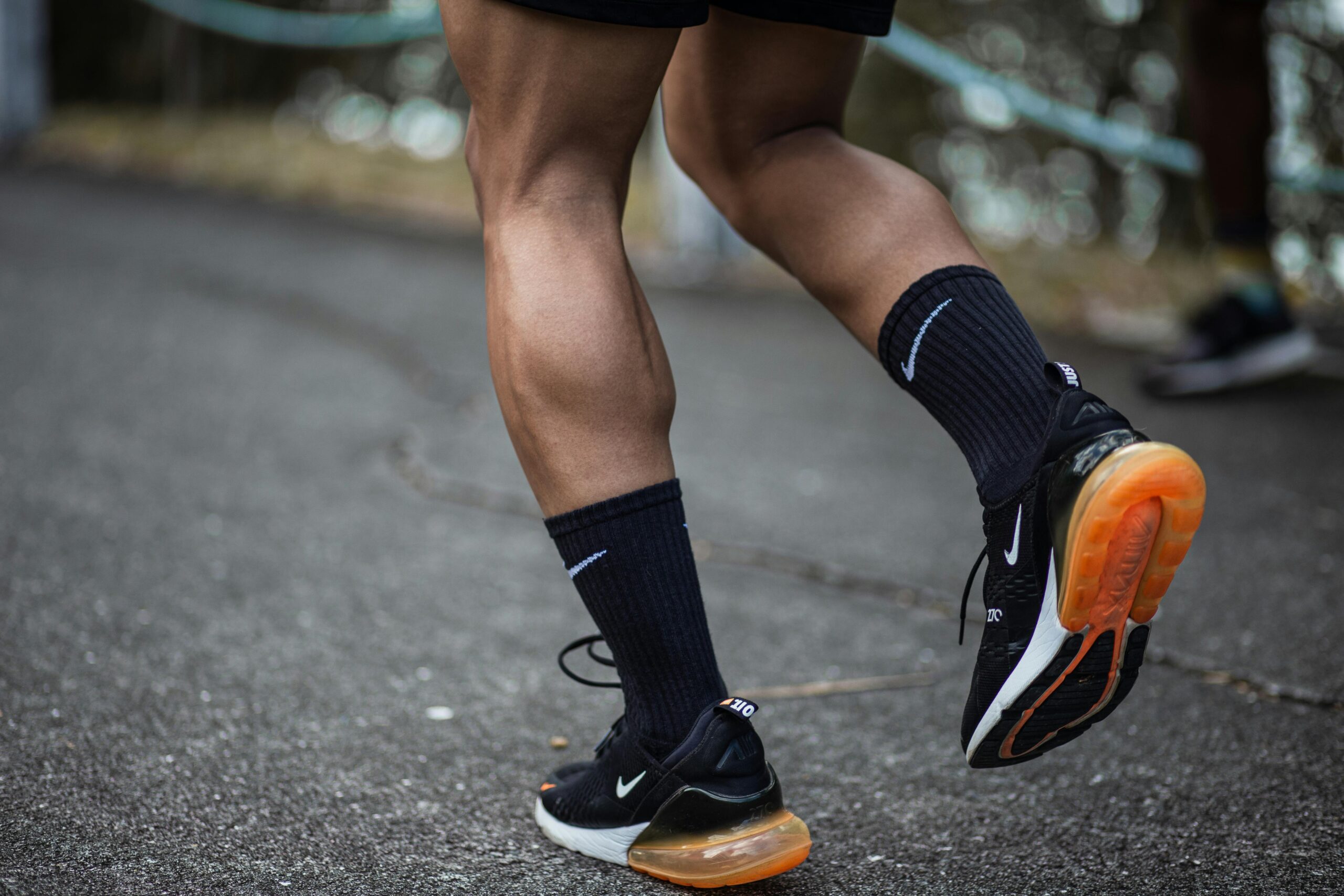
Breaking Down the Price vs. Performance Debate
Walk into any sporting goods store and you’ll face a daunting price range: sports shoes can cost anywhere from $30 to $300 or more. This raises an important question: are those premium-priced shoes really worth the investment, or are you just paying for a brand name?
What You’re Actually Paying For
Let’s demystify where your money goes in premium sports shoes:
Research and Development: High-end brands invest millions in biomechanical research, testing materials, and developing proprietary technologies. That carbon fiber plate or specialized foam didn’t appear overnight—it’s the result of years of testing and refinement.
Superior Materials: Premium shoes typically feature:
High-grade cushioning systems that last longer
Breathable, lightweight engineered mesh
Durable rubber compounds for better traction
Moisture-wicking, antimicrobial linings
Quality Control: Expensive shoes generally undergo more rigorous testing and quality checks, resulting in better construction and consistency.
Brand Innovation: You’re partly funding the next generation of footwear technology.
When Premium Makes Sense
Serious Athletes: If you’re training intensively or competing, premium shoes offer:
Enhanced performance features
Better injury prevention
Longer lifespan despite heavy use
Sport-specific optimization
Runners Logging High Mileage: Running 30+ miles weekly means your shoes take serious punishment. Premium cushioning and durability become worthwhile investments.
People with Specific Foot Issues: Custom orthotic-friendly designs, specialized arch support, and motion control features found in higher-end shoes can prevent chronic pain and injuries—potentially saving you money on medical bills.
When Budget Options Work Fine
Casual Exercisers: If you’re hitting the gym 2-3 times weekly for general fitness, mid-range shoes ($60-$100) often provide everything you need.
Gym-Only Workouts: Indoor activities on stable surfaces don’t demand the same technical features as outdoor or competitive sports.
Growing Kids: Children outgrow shoes before wearing them out, making expensive options impractical for most families.
Trying a New Sport: Don’t invest heavily until you’re committed to the activity.
The Sweet Spot Strategy
Here’s the smart approach to sports shoe shopping:
1. Know Your Needs: Get a professional gait analysis at a specialty running or sports store. Understanding your biomechanics helps you identify which features actually matter for your body.
2. Consider Cost Per Wear: A $150 shoe that lasts 500 miles costs $0.30 per mile. A $60 shoe lasting 200 miles costs the same. Calculate the true long-term value.
3. Shop Last Season’s Models: Premium shoes from previous seasons often go on sale for 30-50% off when new versions launch, giving you high-end technology at mid-range prices.
4. Invest Where It Matters: Spend more on shoes for your primary sport, less on secondary activities.
5. Don’t Skimp on Fit: An expensive shoe that doesn’t fit properly is worthless. A moderately priced shoe that fits perfectly is priceless.
Red Flags: When Expensive Doesn’t Mean Better
Watch out for these warning signs:
Paying for hype: Limited editions and collaborations often command premium prices for aesthetics, not performance
Unnecessary features: Max cushioning isn’t always better—some runners perform better with minimal shoes
Brand markup: Some brands charge more for comparable technology simply because of their logo
The Verdict
Expensive sports shoes can absolutely be worth it—but only if they match your specific needs and activity level. The “best” shoe isn’t the most expensive one; it’s the one that fits your feet, suits your sport, and aligns with your budget.
Before making your next purchase, ask yourself:
How often will I use these shoes?
What specific features does my activity require?
Do I have any injury history or biomechanical issues?
Am I paying for performance or just prestige?
Bottom line: Mid-range shoes ($80-$130) offer the best value for most recreational athletes, providing proven technology without the premium markup. But if you’re serious about your sport, have specific needs, or use your shoes intensively, investing in top-tier options often pays dividends in performance, comfort, and injury prevention.
Remember: the most expensive shoes in the store won’t make you a better athlete, but the right shoes—whatever their price—will help you perform at your best while staying healthy and comfortable.